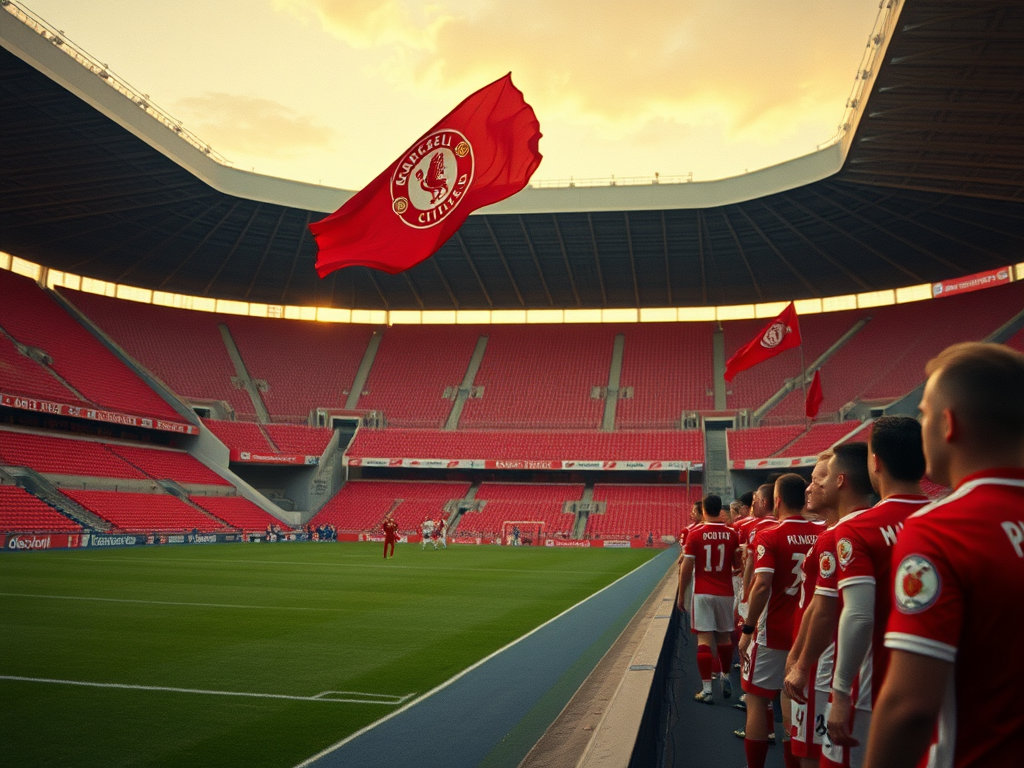
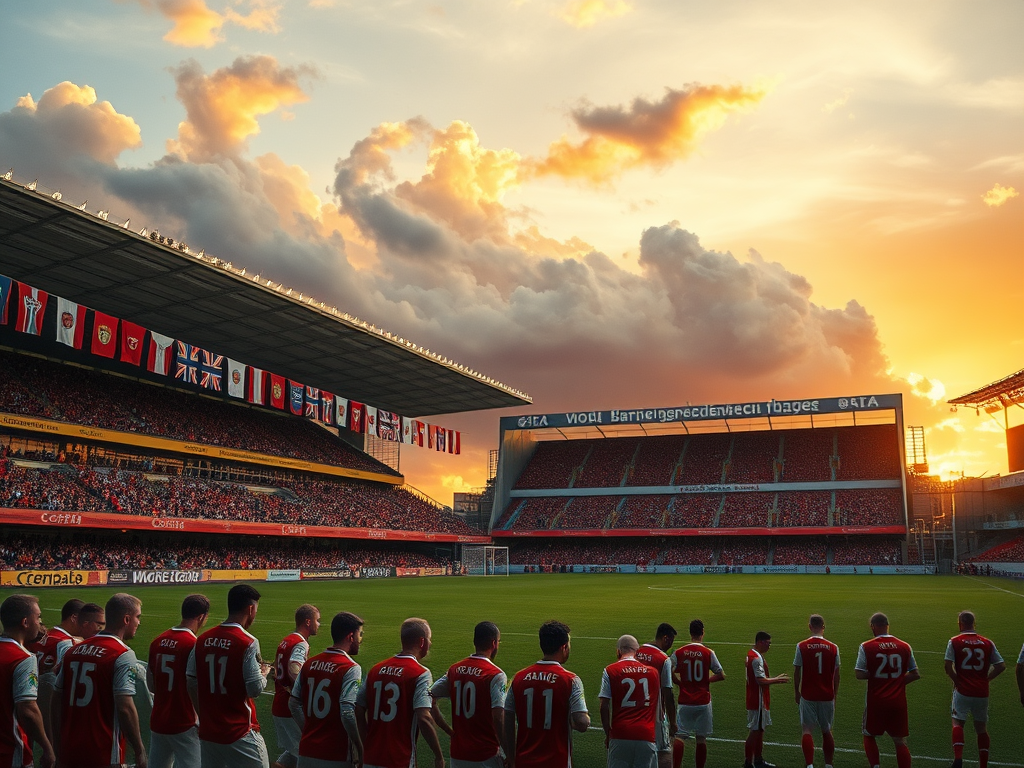
 FC Red Bull Salzburg
Evolving Tactics for FC Red Bull Salzburg: A Path to Consistency
In the fast-paced world of Austrian football, FC Red Bull Salzburg, affectionately known as Die Bullen, has carved a niche for itself as a dominant force. However, recent matches have revealed a few tactical inconsistencies that could hinder their pursuit of domestic glory. With the right adjustments, they have the potential to not only solidify their standing in the league but also reignite the attacking flair that fans have come to expect.
Current Tactical Landscape
Salzburg has traditionally employed a high-pressing, possession-oriented style underpinned by quick transitions. This approach has served them well, particularly in the early fixtures of the season. However, as opponents have grown more familiar with their methods, Die Bullen have struggled to maintain the same level of intensity and creativity in the final third. The reliance on a singular attacking strategy has rendered them somewhat predictable, leading to stagnation in their offensive play.
Suggested Tactical Tweaks
1. Fluid Formation Adjustments: One potential tweak could be implementing a more fluid formation that adapts to the flow of the match. While a 4-3-3 has been the backbone of their setup, introducing a flexible 4-2-3-1 during matches could provide additional support in midfield and allow for more dynamic attacking movements. This change would facilitate greater link-up play between the midfielders and forwards, creating more spaces for key players like Noah Okafor and Luka Sucic to exploit.
2. Enhanced Wing Play: Another area that has shown promise is the use of width. Salzburg's attacking play has sometimes been too central, leading to congestion in the midfield. By encouraging the wingers, such as Benjamin Šeško and Oumar Solet, to stretch the pitch, Salzburg can create more one-on-one situations. This not only opens up passing lanes but also allows for overlapping runs from full-backs, adding an extra dimension to their attack.
3. Midfield Rotation: Additionally, a rotation in midfield roles could invigorate the team's dynamics. Incorporating a more agile, box-to-box midfielder to complement the defensive stability of players like Maximilian Wöber could enhance their ability to transition quickly from defense to attack. This would also allow for a more aggressive press when possession is lost, setting the tone for immediate counter-pressing opportunities.
Defensive Solidity
While attacking tweaks are crucial, it’s equally important to ensure defensive solidity. Recent matches have highlighted vulnerabilities in the backline, particularly against teams that capitalize on counter-attacks. Focusing on maintaining a compact shape and ensuring that midfielders track back effectively will be essential.
Incorporating a more disciplined defensive midfielder who can shield the back four and break up opposition plays could be a game-changer. This would not only provide more security at the back but also enable the full-backs to venture forward with greater confidence.
Conclusion
As FC Red Bull Salzburg looks to the future, implementing these tactical tweaks could be the key to rediscovering their winning form. By enhancing their attacking versatility and shoring up their defensive structure, Die Bullen can not only stay competitive in the league but also entertain their passionate supporters at the Stadium in Salzburg. The upcoming matches will be crucial in testing these adjustments, and if executed correctly, they could pave the way for a successful season ahead.